Concrete Demolition and Removal: What You Need to Know Whether you're renovating a residential driveway…
What’s Involved In A Commercial Demolition Project?
Planning a commercial building project? Before you can build something amazing, you often need to clear the way first. That’s where commercial demolition comes in, and understanding how it fits into your overall project can make all the difference.
Commercial demolition is the professional process of safely dismantling existing structures to prepare sites for new development. Whether you’re renovating an old building or starting fresh with new construction, getting the demolition right sets the foundation for everything that follows.
The scale matters. Commercial demolition operates under strict safety regulations, requires experienced teams, and needs careful coordination with your broader construction plans. From office buildings and retail spaces to warehouses and hospitals, each demolition project demands meticulous planning and expert execution.
What you’ll discover in this guide:
We’ll walk you through how commercial demolition integrates into each stage of your building project. You’ll learn about critical considerations, such as site safety, environmental compliance, and timing, that ensure your demolition work supports rather than delays your construction goals.
The simple truth? Understanding the demolition process before you start can save you time, money, and considerable stress in the long run.
Understanding Commercial Demolition
Commercial demolition plays a vital role in Australia’s construction industry, making way for new developments while managing complex safety and environmental requirements. But what exactly does commercial demolition involve, and how does it differ from smaller-scale work?
What is commercial demolition work?
Commercial demolition safely dismantles structures designed for business or public use. As demolition specialists, we coordinate every aspect from initial assessment through final site clearance, handling everything from office buildings and shopping centres to industrial warehouses and educational facilities.
Our work covers much more than just knocking things down. We handle partial demolitions for renovations, complete building removal and careful deconstruction for material salvage.
Managing a commercial demolition project involves:
- Securing necessary permits and approvals
- Developing safe work method statements
- Conducting asbestos and hazardous material surveys
- Managing environmental compliance
- Coordinating waste removal and recycling
- Ensuring site safety for workers and the public
Here’s what makes it different: commercial demolition follows rigorous safety standards with specific requirements for public protection, environmental management, and heritage considerations. We work under strict Australian Standards and WorkSafe regulations to ensure every project protects people and property.
How commercial demolition differs from residential work
The differences go well beyond just building size.
Scale and Complexity
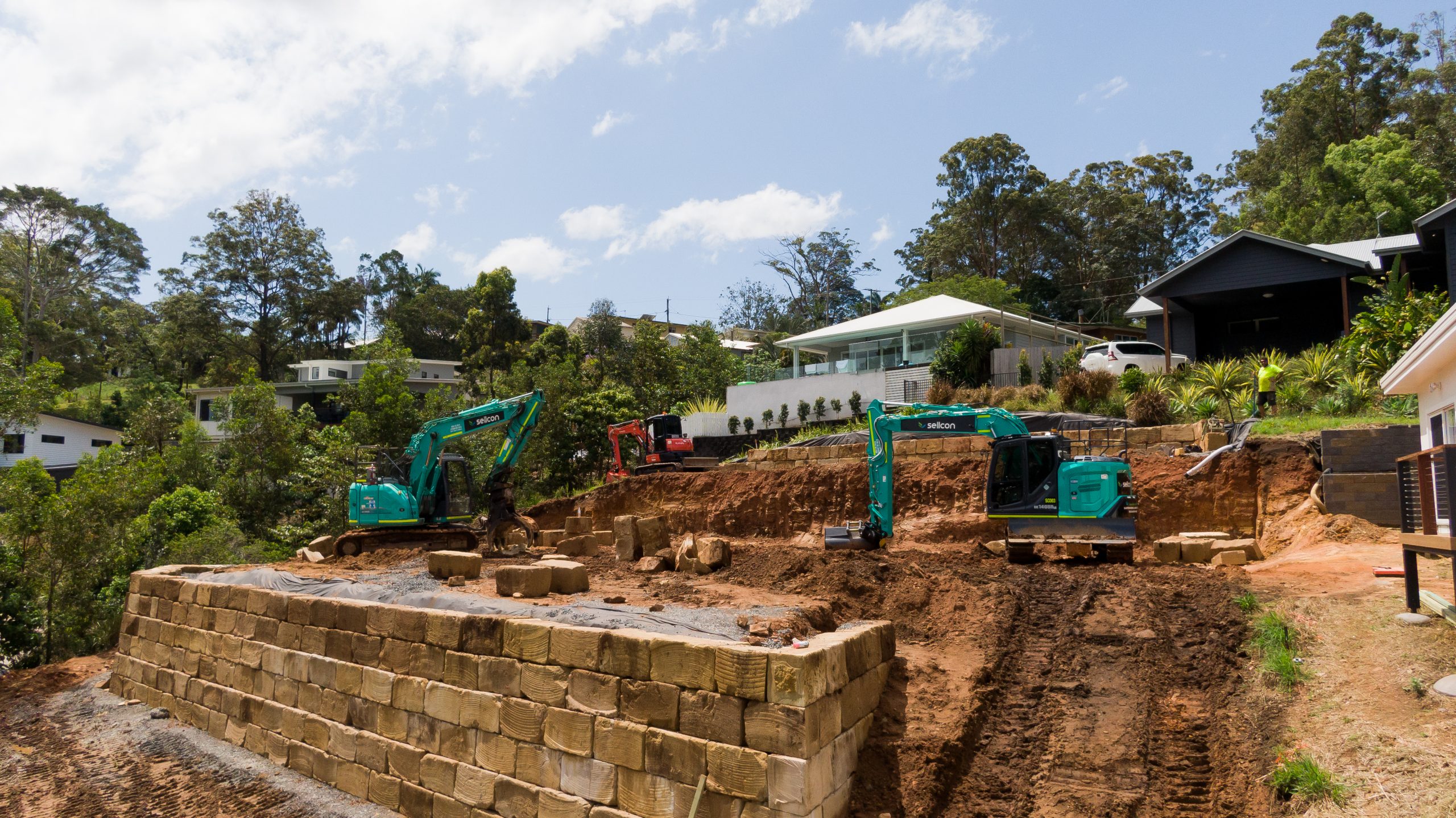
Commercial demolitions typically involve larger structures with more complex systems to manage. You’ll see specialised equipment such as high-reach excavators, concrete pulverisers, and rock breakers.
Safety Considerations
Commercial projects require comprehensive traffic management plans, extensive safety barriers, and often round-the-clock security. We’re not just protecting workers; we’re safeguarding the public, neighbouring businesses, and busy urban environments.
Environmental Requirements
Commercial demolition demands rigorous environmental management, including detailed waste management, material recycling targets, dust suppression systems, and contaminated soil handling. We’re committed to diverting as much material as possible from landfill.
Types of commercial demolition projects
Commercial demolition encompasses diverse building types, each with unique challenges:
Office buildings
From small professional complexes to high-rise towers requiring careful planning around busy CBD locations
Retail and shopping centres
Strip malls and standalone shops need staged demolition to keep neighbouring businesses operational
Hospitality venues
Hotels and restaurants often contain complex kitchen systems and underground services
Healthcare facilities
Hospitals and clinics require specialised handling of medical waste and contaminated materials
Educational institutions
Schools and universities, where timing around academic calendars becomes critical
Industrial facilities
Warehouses and factories often contain hazardous materials and heavy-duty structural elements
Mixed-use developments
Properties requiring selective demolition while preserving certain portions of the structure
Planning and Development Phase
Get the demolition planning wrong, and your entire construction timeline suffers. This phase sets the foundation for safe, efficient site clearance that keeps your project on track.
Site assessment and environmental considerations
Every demolition project starts with a thorough site assessment. We visit your property to understand what we’re dealing with, identifying potential challenges before they become problems.
Here’s what most property owners don’t realise: environmental surveys will reveal critical information that shapes our entire demolition approach.
Our assessment covers:
- Asbestos and hazardous materials identification
- Underground services and utility connections
- Structural stability and adjacent property risks
- Heritage requirements and preservation needs
- Contaminated soil or groundwater issues
Before we start work, we verify all environmental regulations that apply to your site. These control everything from noise and vibration limits to dust management and working hours.
Each council has unique requirements for demolition work. We navigate local environmental plans and development controls to ensure full compliance.
Actionable Step: Allow time for comprehensive asbestos surveys and environmental assessments; rushing this phase creates costly delays later.
Setting a realistic demolition budget
Budget surprises derail projects. The good news? Most issues stem from incomplete initial planning rather than genuine unexpected costs.
Creating a solid budget requires systematic assessment. We start by understanding your complete scope, whether it’s full demolition, partial removal, or selective strip-out. Site visits reveal access challenges, special equipment needs, or disposal complications that desktop estimates miss.
Your budget should include:
- Asbestos removal and hazardous material handling
- Equipment hire and operator costs
- Waste disposal and recycling fees
- Traffic management and safety barriers
- Permits, insurance, and compliance costs
- Contingency allocation (typically 10-15% for demolition work)
The contingency isn’t optional; it handles surprises like discovering additional asbestos, encountering underground obstacles, or weather delays that inevitably occur.
Remember: We treat your budget as a living document, keeping you informed of any variations so you’re never caught off guard.
Above all, ensure we demonstrate a genuine commitment to safety and a clear understanding of how demolition timing affects your construction schedule.
Design and Pre-Construction
Before any demolition begins, careful planning transforms your vision into a safe, executable demolition strategy that aligns with your construction goals.
Demolition planning and methodology
Demolition planning determines how we’ll safely dismantle your structure while protecting surrounding properties and keeping your project on schedule. This isn’t guesswork; it’s engineering.
We develop detailed plans covering:
- Demolition sequence and methodology
- Equipment selection and positioning
- Temporary supports and structural bracing
- Dust, noise, and vibration control measures
- Emergency response procedures
Different buildings require different approaches. We might use high-reach excavators for tall structures or selective hand demolition for heritage buildings.
The key benefit? Detailed planning prevents safety incidents, keeps neighbours happy, and ensures we clear your site exactly when your construction team needs it ready.
Permits and regulatory approvals
Before we can start demolition, your project requires various permits to ensure compliance with safety standards and environmental regulations.
Most commercial demolitions require development consent and specific demolition permits. The approval process evaluates structural safety, environmental impact, and protection measures for surrounding properties.
Required documentation typically includes:
- Detailed demolition plans and methodology
- Asbestos survey reports
- Traffic management plans
- Waste management plans
- Notification to adjacent property owners
Important note: Requirements vary between councils. Complex approvals often take weeks, so we build this timeframe into your schedule from day one.
The regulatory landscape can feel overwhelming, but our experience helps ensure smooth approval processes without delaying your construction start date.
Demolition and Site Work
With approvals secured and plans finalised, we move into the physical demolition phase. This is where careful planning pays off through safe, efficient site clearance.
Site establishment and safety measures
Site safety comes first, always. We establish comprehensive protection measures before any demolition begins.
Our priority involves setting up exclusion zones, safety barriers, and access controls. These protect workers, the public, and neighbouring properties from demolition hazards. We coordinate with local councils for any required road closures or footpath restrictions.
Utility disconnection requires coordination with service providers. We ensure water, gas, electricity, and telecommunications are safely isolated before demolition starts. Underground services are located and marked to prevent accidental damage.
For expert demolition services and site preparation, contact Sellcon to ensure your commercial construction project starts safely.
Environmental controls, including dust suppression systems, noise monitoring, and vibration sensors, protect both your project and the surrounding community throughout demolition activities.
Structural demolition process
Demolition follows our engineered plan, working systematically from top to bottom or using other approved methodologies based on structural requirements.
We begin with soft stripping, removing non-structural elements like fixtures, fittings, doors, and windows. This phase allows for maximum material salvage and recycling before heavy demolition begins.
Common demolition methods:
- High-reach excavator demolition for tall structures
- Selective hand demolition for heritage or sensitive sites
- Mechanical demolition using excavators and loaders
- Controlled implosion for specific large structures (less common)
Our choice of method depends on building height, proximity to other structures, site access, environmental constraints, and material recovery goals. Quality control throughout demolition prevents damage to retained structures and ensures safe working conditions.
Waste management and site clearance
Responsible demolition means managing waste properly. We’re committed to environmental sustainability through comprehensive recycling and waste reduction.
Materials are separated on-site for recycling wherever possible. Concrete gets crushed for road base, metals go to scrap recyclers, timber is processed for reuse, and brick can be salvaged or recycled.
Hazardous materials, including asbestos, receive specialised handling and disposal according to EPA regulations. We maintain detailed tracking of all waste streams, providing you with documentation for compliance purposes.
Final site clearance includes removing all demolition debris, filling and compacting as required, and leaving your site ready for construction. Your builder receives a clean, level, stable surface perfect for their groundwork phase.
Post-Demolition and Handover
Demolition completion doesn’t mean our job is finished. The handover phase ensures your site transitions smoothly from demolition to construction-ready.
Final inspections and clearances
Final inspections verify that demolition work meets all safety standards and contractual obligations. We conduct thorough assessments confirming complete debris removal, proper hazardous material disposal, and site stability.
Inspections cover:
- Complete structure removal (unless partial demolition specified)
- Proper capping of all utilities
- Site clearance and grading
- Environmental compliance verification
If asbestos is present, clearance certificates from licensed assessors confirm the site is safe for construction workers. These aren’t bureaucratic exercises; they protect everyone who’ll work on your site during construction.
Site handover documentation
We provide comprehensive documentation that becomes essential for your construction phase:
- Demolition completion certificates
- Asbestos clearance certificates (if applicable)
- Waste disposal receipts and recycling reports
- Underground service location plans
- Site survey confirming clearance levels
This documentation proves regulatory compliance and provides your construction team with critical information about site conditions and any retained structures or services.
Construction-ready site preparation
The official handover marks your site’s transition from demolition to construction. We ensure the site is genuinely ready for your builder to start work immediately.
Final grading establishes proper drainage and creates a stable working platform. Any retained structures are cleaned, repaired, and protected. Underground services are clearly marked, and temporary fencing remains in place for ongoing site security.
Without proper site preparation and clearances, construction teams can’t legally commence work, making this final phase critical to keeping your project on schedule.
Conclusion
Commercial demolition is more than just tearing things down; it’s a carefully managed process that sets your construction project up for success. From initial site assessment through final handover, every decision impacts safety, timeline, and overall project value.
Understanding the demolition phase upfront helps you set realistic expectations and avoid costly surprises. The contractors you choose and the planning you invest in before demolition begins directly influence everything that follows.
Site assessment reveals challenges early. Proper budgeting prevents financial shocks. The methodology we develop ensures safe, efficient demolition that keeps your construction timeline on track.
Ready to begin your commercial demolition project? Contact Sellcon today for professional demolition services and expert advice to guide you through every phase of your commercial development.
Environmental responsibility matters. Through systematic waste management and material recovery, we minimise landfill impact while often reducing your disposal costs.
This systematic approach might feel complex initially, but each stage serves a specific purpose. Breaking the process into phases makes it manageable and ensures nothing gets overlooked.
Commercial demolition represents the critical first step in your building investment. Done well, it creates safe, clean sites that enable efficient construction and deliver lasting value. Understanding what’s involved at each stage positions you to navigate confidently from demolition through to construction completion.
Key Takeaways
Commercial demolition requires systematic planning and expert coordination to safely clear sites and enable successful construction projects.
- Start with a thorough assessment – Site surveys, environmental testing, and hazard identification in the planning phase prevent costly surprises and safety issues.
- Navigate regulations early – Commercial demolition requires strict safety compliance, environmental permits, and council approvals that differ significantly from residential work.
- Invest in proper planning – Detailed demolition methodology, equipment selection, and waste management planning ensure safe, efficient site clearance.
- Expect a structured process – Demolition progresses systematically from site establishment and safety setup through structural removal to final site clearance.
- Prepare for comprehensive handover – Final inspections, clearance certificates, and proper documentation ensure your site is genuinely ready for construction.
Commercial demolition represents the foundation of your building project. When properly executed through these structured phases, it creates safe, compliant sites that enable your construction team to build with confidence.
FAQs
Q1. How long does commercial demolition typically take?
Commercial demolition timelines vary based on building size, complexity, and method. Small structures might take a few days, while large commercial buildings can require several weeks. Asbestos removal, permit approvals, and environmental requirements often impact the overall schedule more than the actual demolition work.
Q2. How does commercial demolition differ from residential demolition?
Commercial demolition involves larger structures, stricter safety requirements, and more complex environmental compliance compared to residential projects. It requires specialised equipment, comprehensive traffic management, and rigorous waste separation protocols to protect the public and surrounding businesses.
Q3. What happens to materials from demolished buildings?
Responsible demolition contractors maximise recycling and material recovery. Concrete is crushed for road base, metals go to scrap recyclers, timber is processed for reuse, and bricks can be salvaged. Typically, 70-90% of demolition waste can be diverted from landfill through proper sorting and processing.
Q4. What permits are required for commercial demolition?
Most commercial demolition projects require development consent and specific demolition permits from local councils. Additional requirements may include asbestos removal licenses, traffic management approvals, and EPA notifications. Your demolition contractor should handle permit coordination as part of their service.
Q5. How do you ensure safety during commercial demolition?
Safety involves comprehensive planning, including structural engineering assessments, detailed work method statements, exclusion zones, dust and noise controls, and continuous monitoring. Licensed demolition contractors follow strict Australian Standards and WorkSafe regulations, with qualified supervisors managing all site activities.
Related Posts