Planning a commercial building project? Before you can build something amazing, you often need to…
Why Disconnecting Utilities Before Demolition Is Important
It only takes one live cable, one active gas line or one pressurised water pipe to turn a straightforward demolition into a serious safety incident. That’s why disconnecting utilities is one of the most important steps to complete before any demolition work begins.
On the Sunshine Coast, utility disconnections are a legal requirement under WorkSafe Queensland’s demolition regulations Before an excavator touches a single wall, every essential service connected to the property, including electricity, gas and water, must be properly disconnected (not simply switched off.) Ensuring all services have been safely isolated helps protect everyone on site while keeping your demolition project compliant and running smoothly.
In this guide, we’ll explain what utility disconnection actually involves, why it’s so important, who is responsible for arranging it, and what you can expect during the process for a typical demolition project.
Key Takeaways
- Utility disconnection is a safety requirement first, and a legal one under WorkSafe Queensland’s Demolition Work Code of Practice 2021.
- Disconnection and abolishment aren’t the same thing. A supply line can stay live until the network provider physically removes it.
- Responsibility is shared between the property owner, the utility provider, and the demolition contractor, so confirm early who’s chasing what.
- On the Sunshine Coast, this means coordinating with your electricity network, gas and electricity retailers, and the local water authority well before your demolition date.
What Disconnecting Utilities Before Demolition Involves
Disconnecting utilities means safely shutting off, and in most cases permanently removing, the electricity, gas, water, sewer, stormwater and telecommunications connections to a building before demolition starts.
Each utility has its own process and must be handled by the appropriate provider or licensed professional to ensure the site is safe and compliant before demolition machinery arrives.
Disconnection vs Abolishment
One of the biggest misconceptions is that simply switching off a service is enough. In reality, there’s an important distinction between disconnection and abolishment.
- A disconnection means a service has been turned off, often temporarily, but the physical infrastructure remains connected to the property.
- An abolishment, on the other hand, involves permanently removing the service connection itself, such as the cables, pipes or meters that link the property to the network.
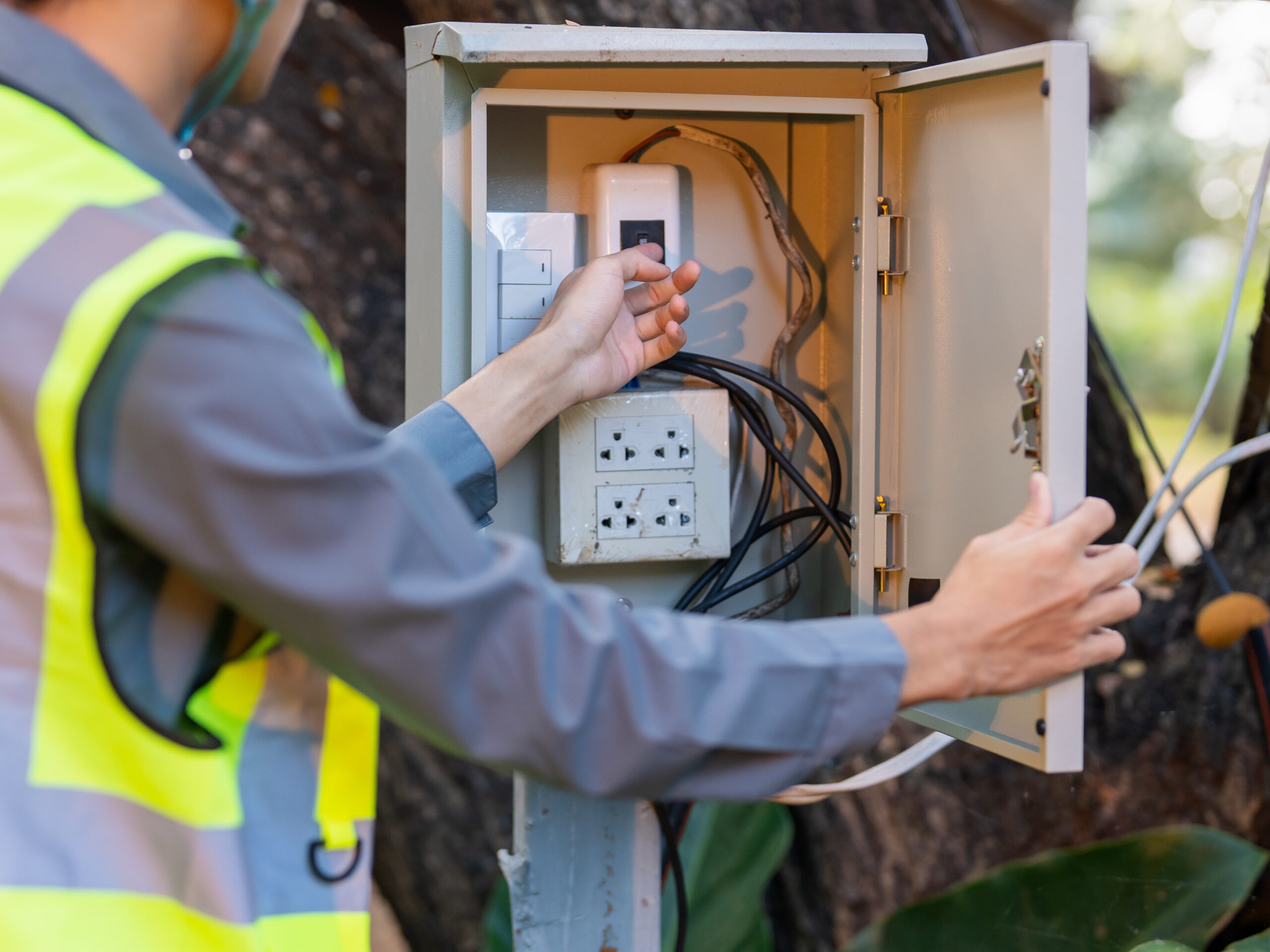
Electricity is a good example. Turning the power off at the switchboard or meter box does not remove the live connection running from the street to the property. That connection can still carry electricity until the local network provider physically abolishes it. This is why proper utility removal is a critical safety requirement before demolition begins.
The services that typically need attention before a demolition on the Sunshine Coast, whether it’s a straightforward residential knockdown or a larger commercial demolition project, include:
- Electricity, abolished by the network provider once your retailer lodges the request
- Gas, capped and removed by your gas retailer or a licensed gas fitter
- Water and sewer, disconnected by a licenced plumber under local regulations
- Stormwater drainage
- Telephone, internet and NBN connections
- Solar panels, batteries or any other embedded systems, which need their own isolation by a licensed electrician
Why Skipping This Step Is Dangerous
When it comes to demolition, utility disconnections aren’t simply another item on the checklist—they’re one of the most important safety measures on the entire project. The risks of leaving services connected are very real and can have serious consequences for workers, neighbouring properties and the surrounding community.
- One of the biggest misconceptions is that once the power has been switched off inside the building, the property is safe. In reality, that’s often not the case. An electrician may isolate the internal wiring, but the electricity supply from the street can still remain live until the network provider has physically abolished the connection. If demolition equipment comes into contact with those live cables, the result could be electrocution, arc flash incidents, fires or significant damage to machinery.
- Gas presents another major hazard. Even after the meter has been turned off, gas can remain trapped within the service line. If that line is struck during demolition, it can release flammable gas that may ignite, creating a serious risk of explosion, fire and injury.
- Water and sewer connections also pose significant risks if they haven’t been properly disconnected. Damaged pipes can flood the demolition site, delay the project, damage neighbouring properties and expose workers to contaminated wastewater, creating both safety and environmental concerns.
- Underground stormwater, telecommunications and NBN infrastructure can be just as problematic. If these services haven’t been located and isolated beforehand, demolition machinery can easily damage them, leading to costly repairs, service outages for nearby properties and potential liability for the property owner or contractor.
Not sure what needs disconnecting on your project? Get a free quote and we’ll walk you through exactly what applies to your site, or call 0458 203 092 to talk it through with our team.
The Legal Requirements for Utility Disconnections
Disconnecting utilities before demolition is a legal requirement. In Queensland, under the WorkSafe Queensland Demolition Work Code of Practice 2021, service disconnections are treated as a critical workplace health and safety measure designed to protect demolition workers, neighbouring properties and the public from avoidable hazards.
Failing to complete this step can have serious consequences. If a demolition site is found to have live or uncontrolled services, work may be stopped immediately until the issue has been resolved. Beyond the resulting delays and additional costs, leaving utilities connected can expose contractors and property owners to significant legal and financial liability, particularly if someone is injured or surrounding infrastructure is damaged.
Professional demolition contractors on the Sunshine Coast understand these obligations and coordinate the required utility disconnections as part of their project planning. As licensed operators working under Queensland’s workplace health and safety framework, they help ensure every demolition is carried out safely, compliantly and with the appropriate documentation in place before machinery arrives on site.
Who’s Responsible for Disconnecting What?
While the property owner is ultimately responsible for ensuring utilities have been safely disconnected before demolition begins, you don’t usually have to manage the entire process yourself. In most Sunshine Coast demolition projects, your licensed demolition contractor or builder will coordinate the required disconnections with the relevant utility providers to keep the project moving smoothly and avoid unnecessary delays.
Because each utility is managed by a different authority or licensed professional, disconnecting services is a series of coordinated steps that need to be completed before demolition can commence.
| Utility | Who Is Responsible? | What Needs to Be Done? |
| Electricity | Energy retailer and local electricity network provider | The electrical supply must be permanently abolished, not simply switched off. After a request is lodged through your energy retailer, the network provider removes the service cable and meter, ensuring there is no live electrical connection running from the street to the property. |
| Gas | Gas provider or licensed gas fitter | The gas service must be safely disconnected, with the gas line capped or removed to eliminate the risk of leaks, fire or explosion during demolition. |
| Water and sewer | Licensed plumber (often coordinated by your demolition contractor) | Sewer connections must be safely capped, and the water meter removed or temporarily relocated if it will be needed during future construction. |
| Telecommunications and NBN | Telecommunications provider | Telephone, internet and NBN services must be terminated. The provider will disconnect the service, recover any required equipment and, where applicable, provide confirmation that the connection has been safely removed. |
Plan Ahead to Avoid Delays
One of the biggest mistakes property owners make is leaving utility disconnections until the last minute. Depending on the provider, approvals and bookings can take anywhere from two to six weeks, particularly during busy periods. Starting the process early helps prevent unnecessary delays to your demolition timeline and ensures all required documentation is in place before work begins.
An experienced demolition contractor can help coordinate these various providers, making the process far simpler while ensuring your project remains safe, compliant and on schedule.
How Long Does This Actually Take, and What Should You Arrange First?
One of the biggest causes of demolition delays is underestimating how long approvals and utility disconnections can take. While the physical demolition of a typical residential property may only take a few days, preparing the site can take several weeks. Starting the planning process early will help keep your project on schedule and avoid costly hold-ups.
What Should You Arrange First?
Before any demolition work can begin, there are several important steps that should be completed in the correct order.
- Hazardous Materials Survey: If your property was built before 1990, you’ll generally need an asbestos inspection before demolition can proceed. Identifying hazardous materials early helps ensure they are removed safely and in accordance with Queensland regulations.
- Demolition Permit: Apply for the required demolition approval through a private building certifier or Sunshine Coast Council. Your demolition contractor can often assist with this process.
- Utility Abolishments: Contact the relevant utility providers to arrange the permanent abolishment or disconnection of electricity, water, sewer, gas and telecommunications services. These requests should be lodged as early as possible.
Typical Utility Disconnection Timeframes
Every provider has its own processes and scheduling requirements, so it’s important to allow enough time before your planned demolition date.
| Service | Typical Timeframe | What’s Involved? |
| Electricity | 20–30 business days | Your electricity retailer submits an abolishment request, after which the network provider removes the service lines and meter from the property. |
| Water & Sewer | 2–4 weeks | A licensed plumber caps and seals the sewer and plumbing connections, with any required compliance documentation completed before demolition. |
| Gas | 2–4 weeks | Your gas provider or licensed gas fitter disconnects the service and safely caps or removes the gas line. |
| Telecommunications | 2–4 weeks | Your phone, internet and NBN providers terminate services, disconnect infrastructure and recover any required equipment. |
Common Mistakes That Delay a Demolition
- Assuming the power is off because someone flicked the switch inside the house. The supply line can stay live until the network provider abolishes it.
- Leaving gas disconnection until the week before demolition. Gas retailers are often the slowest to respond.
- Forgetting solar panels, batteries or old irrigation pumps. These need their own isolation and are easy to overlook.
- Not keeping written confirmation from each provider. Council and your demolition contractor will both want to see it.
- Assuming your builder or demolition contractor is automatically chasing this. Confirm who owns each call before work is scheduled.
Plan Ahead for a Safer Demolition
Disconnecting utilities before demolition may not be the most visible part of the process, but it is one of the most important. Properly abolishing or disconnecting utilities and services protects everyone on site, ensures your project complies with Queensland regulations, and helps prevent costly delays once demolition is scheduled to begin.
The key is planning ahead. Utility providers often require several weeks’ notice, and coordinating multiple services can quickly become overwhelming if left until the last minute. By organising these requirements early, you’ll keep your demolition project running smoothly from start to finish.
At Sellcon, we take the stress out of the process by building utility disconnections into the pre-demolition planning stage of every project, not as an afterthought once the excavator has already been booked. Our experienced team coordinates the necessary approvals, service providers and site preparation to ensure your demolition is completed safely, efficiently and in full compliance with Queensland requirements.
Planning a demolition project on the Sunshine Coast? Contact Sellcon today to discuss your project. We’ll guide you through every stage of the demolition process, from utility disconnections and approvals through to safe, professional demolition and complete site preparation.
Frequently Asked Questions
Do I need to disconnect utilities before demolishing a house on the Sunshine Coast?
Yes. Electricity, gas, water and sewer all need to be disconnected, and in most cases physically abolished, before demolition can start. Sunshine Coast Council and WorkSafe Queensland both expect this to be confirmed before work begins, and your demolition contractor should check for that confirmation before any machinery arrives.
Who actually organises the disconnection, me or the demolition company?
Both, in different ways. You or your builder need to contact each utility retailer to request disconnection, but a demolition contractor who has done this before will usually help coordinate the timing and confirm everything is actually completed before your demolition date.
What’s the difference between disconnecting and abolishing electricity?
Disconnecting means the power is switched off. Abolishing means the network provider has physically removed the service line. Switching off isn’t enough on its own, the supply line can still carry current until abolishment is confirmed.
Can demolition start while water is still connected?
Not safely. Water and sewer lines need to be capped by a licensed plumber before structural work begins. Otherwise, pipes can rupture or backflow once machinery is on site, which causes flooding and can contaminate the surrounding area.
What happens if utilities aren’t properly disconnected before demolition?
The risks range from electrocution and gas leaks to flooding and damage to neighbouring properties. WorkSafe Queensland can also halt a demolition on the spot if service lines haven’t been dealt with, which delays the whole project.
Related Posts